Digitalisation vs. Sustainabilisation in China
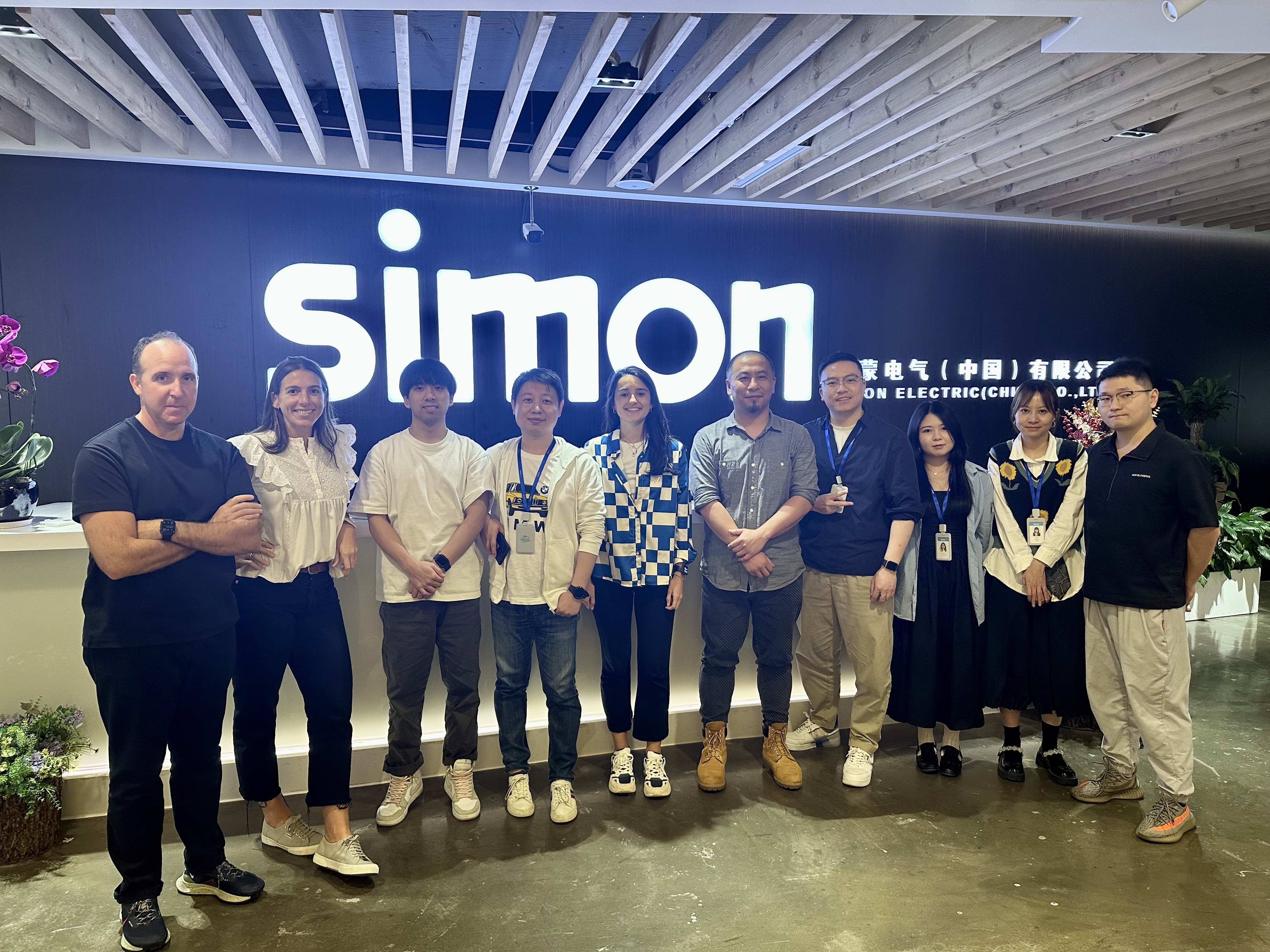
A trip to Shanghai that combined design collaboration with a first-hand look at how China is approaching both digitalisation and sustainability — two of the most defining forces shaping our industry.
In the pursuit of fostering collaboration across design teams and sharing recent work with other departments, the Global Design & Sustainability team recently visited Simon's offices in Shanghai. The agenda covered four main activities: presenting the Simon ESG (Environmental, Social & Governance) Strategy to the APAC Board; carrying out the UX/UI Sharing Session "Global Digital Language" led by digital designers from both the Global and APAC teams; a cross-department meeting on Iconography; and visiting the offices alongside a new Simon showroom in the light-dedicated city mall.
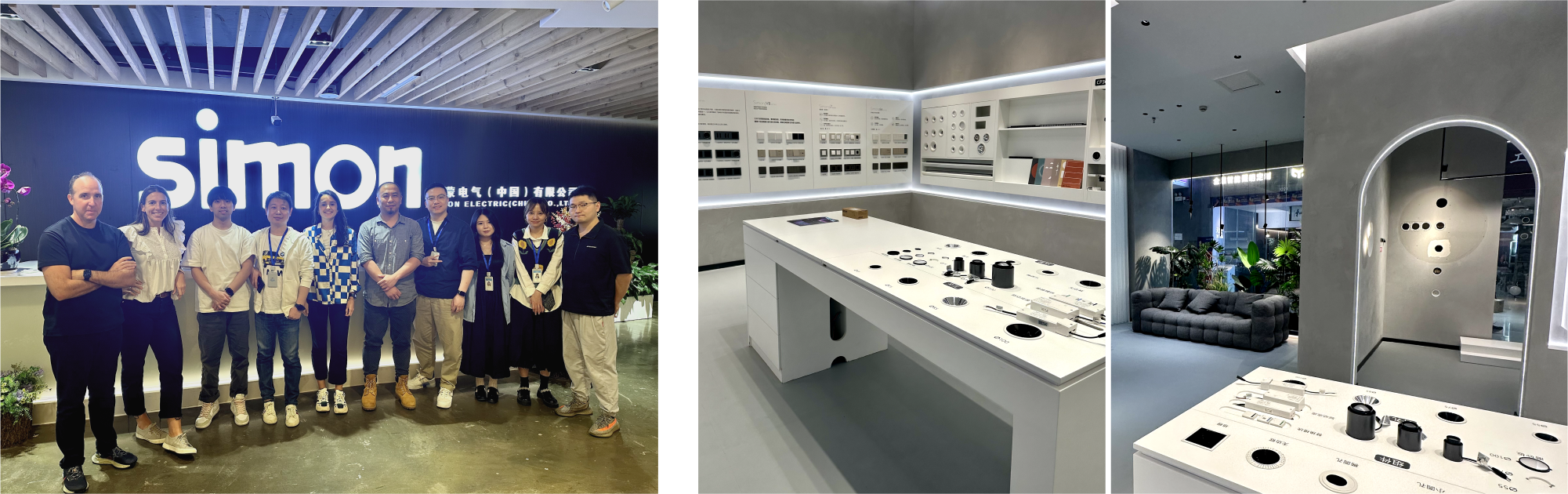
Besides the agenda, the trip was also an opportunity to dive into the local culture. The main focus revolved around understanding how digitalization is taking place and uncovering which sustainability actions are happening. Despite the shortness of the stay, we could perceive that China is leading the path when it comes to societal digital transformation — Shanghai is a context where technology is embedded almost naturally. However, in terms of sustainability the country is still in an embryonic phase where only the first steps towards a more sustainable scenario can be perceived.
Digitalisation: from spaces to phygital environments
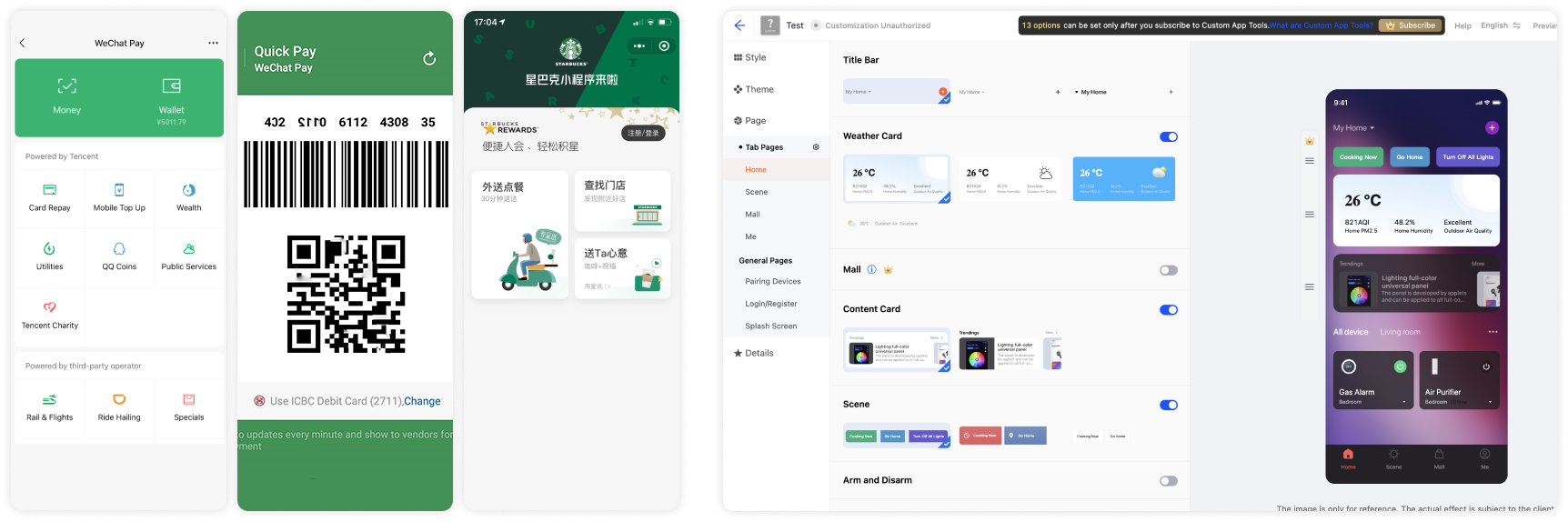
The trend of digitalizing the city is clear. In Shanghai, spaces are digital environments rooted in the physical world. Technology enhances connectivity and phygital interactions can be seen in every corner — from ordering in a restaurant to taking the metro. City screens are omnipresent; WeChat is used to book, buy and pay for everything; a sharing power-bank service ensures no one runs out of battery. Hotel room delivery is carried out by autonomous robots. Digital devices such as room controllers and smart locks are popular in many homes. Transportation is also digitalized, from booking a taxi via WeChat to large screens inside cars.
Leveraging the big platforms
Digitalisation in this context isn't just about introducing numerous digital products — it unfolds through the presence of screens in spaces. The local approach often involves creating services that operate through existing platforms: leveraging WeChat for everyday tasks, or adapting the Tuya platform for branded smart home control solutions. This strategy focuses on integrating technology into daily life through established digital platforms rather than introducing standalone products.
UX/UI Trends
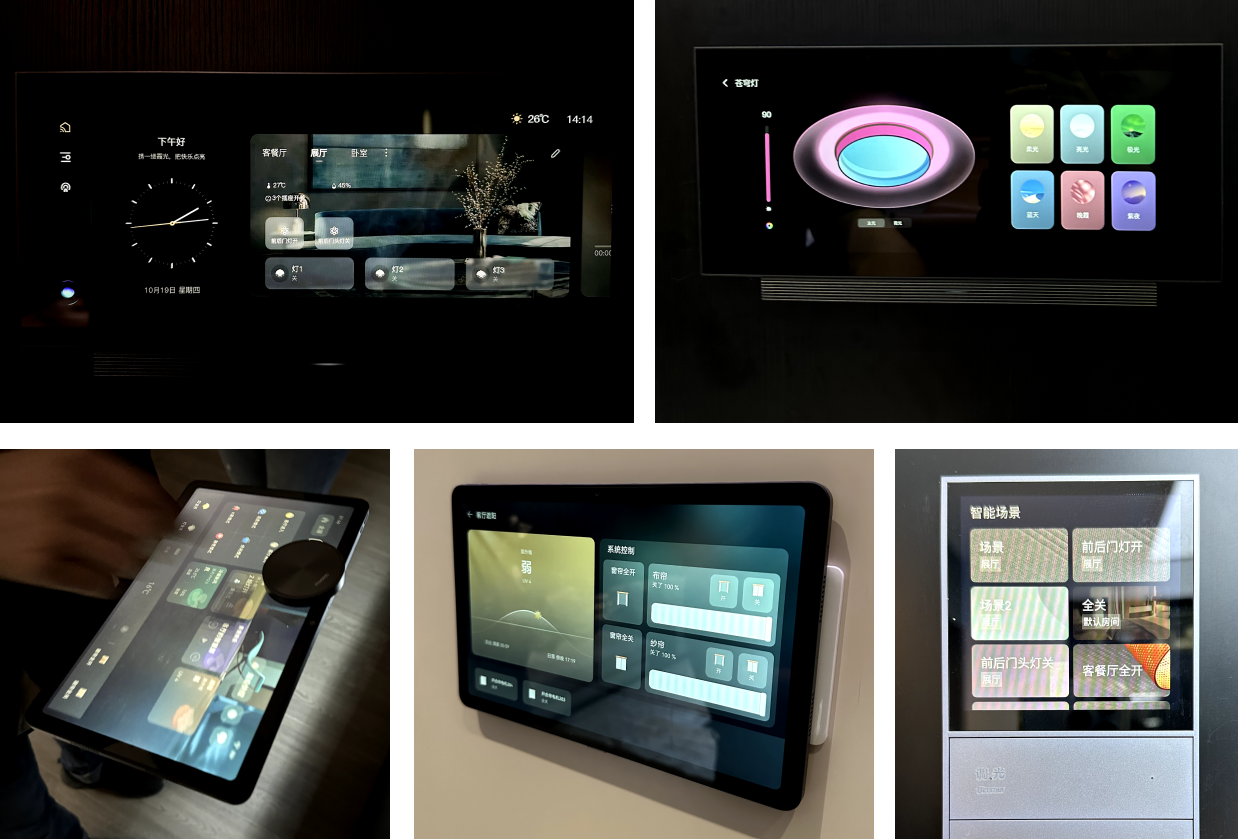
In current UX/UI trends, Chinese brands prioritize dedicated devices for smart home control — a clear example being Simon's Homepad & Homepad Mini. The Huawei showroom we visited showcases exactly this trend: a fully connected home with digital devices operated via a central home controller. When it comes to aesthetics, most brands share a common visual language featuring dark mode, rounded shapes, transparencies, and a high presence of icons and illustrations.
Sustainability
When it comes to sustainability, what stood out most is China's so-called "Green Manufacturing" project — a government-led initiative targeting the manufacturing sector, which constitutes 33.2% of the country's GDP and accounts for around 70% of CO2 emissions. Simon China is adhering to this initiative, transitioning towards a more sustainable future. The project's main target is to shift towards renewable energy sources such as solar, wind, hydro and nuclear power. All these changes aim to start reducing national CO2 emissions by 2024. The initiative also has a wider scope: besides the increase in renewable energies, it comprises a digitalisation plan leveraging technologies such as AI to enhance the efficiency of the industrial sector.
From the extensive use of digital tools to the first steps for a more sustainable country, there is a clear opportunity for designers to develop solutions that leverage technological knowledge to create sustainable spaces.